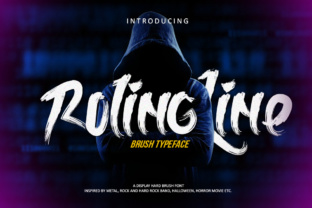
Rolingline Typeface: Elevate Your Brand’s Visual Voice
In the fast-paced world of digital marketing, capturing attention within the first few seconds is not just an advantage; it is a necessity. As designers and content creators, we know that typography is the silent ambassador of your brand. It sets the tone, conveys emotion, and guides the viewer’s eye before they even process the image itself. This is where Rolingline, a distinctive Script Amp font, becomes an indispensable asset in your design toolkit. Whether you are crafting scroll-stopping Instagram stories, high-converting landing pages, or elegant packaging designs, understanding how to leverage this typeface can significantly enhance your visual communication strategy.
The Personality Behind the Pixels
Rolingline is more than just a collection of characters; it is a mood. Classified as a script font with modern sensibilities, it bridges the gap between traditional handwritten elegance and contemporary minimalism. Its strokes are fluid yet controlled, offering a sense of movement that feels organic rather than rigid. For marketers, this translates to a brand voice that is approachable, sophisticated, and authentic. Unlike overly ornate calligraphy fonts that can feel dated or difficult to read, Rolingline maintains a clean aesthetic that aligns perfectly with current trends in web design and editorial design.
The visual appeal of Rolingline lies in its versatility. It carries enough personality to stand out on its own but remains subtle enough to serve as a complementary element in complex layouts. When used correctly, it adds a layer of premium quality to any project. Imagine a beauty brand launching a new skincare line; using Rolingline for the product name on the bottle or the hero text on the website instantly communicates luxury and care. Similarly, for a lifestyle blogger, incorporating this font into a quote graphic can evoke a sense of intimacy and personal connection with the audience.
Strategic Applications Across Digital Platforms
To maximize the impact of Rolingline, it is essential to apply it strategically across various digital touchpoints. In social media graphics, particularly for platforms like Pinterest and Instagram, text overlays play a crucial role in click-through rates. Rolingline excels when used for short, impactful headlines. For instance, a sale announcement graphic benefits from the font’s dynamic energy, drawing the eye immediately to the offer. However, readability must always be prioritized. On mobile screens, where users scroll rapidly, long paragraphs set in a script font can become illegible. Therefore, use Rolingline for titles, callouts, and key phrases, while reserving body text for simpler, more neutral typefaces.
For YouTube thumbnails and video covers, the font’s distinct shape helps create immediate brand recognition. A consistent use of Rolingline in your channel’s branding assets signals professionalism and attention to detail. When designing email headers or newsletter banners, this font can add a human touch to automated communications, making them feel less like spam and more like a personal note from a friend. In digital advertising, such as display ads or sponsored posts, combining Rolingline with bold sans serif fonts creates a compelling contrast that highlights the value proposition without overwhelming the viewer.
Enhancing Readability and Hierarchy
One of the biggest challenges in design is maintaining visual hierarchy. Rolingline supports this by acting as a natural focal point. Because of its decorative nature, it demands attention, allowing other elements in the composition to recede slightly. This is particularly useful in campaign visuals where you need to guide the user through a specific narrative. For example, in a webinar banner, you might use Rolingline for the main topic ("Mastering Social Media") and a clean sans serif font for the date and time. This combination ensures that the core message is understood instantly, while the logistical details remain clear and accessible.
When working with fast-scrolling feeds, legibility is paramount. To ensure Rolingline performs well, consider its weight and spacing. Avoid stretching or distorting the letters, as this can ruin the intended proportions and make the text difficult to decipher. Additionally, provide ample contrast between the font color and the background. If the background is busy, placing the text inside a solid-colored box or adding a subtle shadow can improve readability without compromising the aesthetic integrity of the design.
Font Pairing for Balanced Composition
No font exists in isolation, and Rolingline is no exception. The secret to professional-looking designs often lies in effective font pairing. Since Rolingline is a creative script font, it pairs exceptionally well with clean, geometric sans serif fonts. The simplicity of a sans serif balances the complexity of the script, creating a harmonious visual rhythm. This combination is ideal for modern branding, where clarity meets style. For captions, subheadings, and body copy, choose a neutral sans serif that does not compete with the headline.
Alternatively, for a more editorial or vintage-inspired look, you can pair Rolingline with a classic serif font. This combination works beautifully for fashion brands, boutique shops, or literary publications. The serif adds a touch of authority and tradition, while the script brings warmth and creativity. When experimenting with these pairings, remember to maintain consistency in scale. Ensure that the size difference between the script and the supporting font is significant enough to establish a clear hierarchy.
Real-World Campaign Examples
Consider a seasonal promotion for a home decor brand. A digital banner could feature Rolingline for the phrase "Cozy Season Essentials," written in a warm, earthy tone. Below it, a crisp white sans serif font lists the discount details. This setup leverages the emotional appeal of the script while ensuring the transactional information is easily readable. Another example is a personal branding kit for a consultant. Using Rolingline for their name in a logo mark or business card header adds a unique signature-like quality that reinforces their individual identity. These practical applications demonstrate how a single typeface can drive engagement and reinforce brand values.
Building Long-Term Brand Identity
Incorporating Rolingline into your brand identity goes beyond individual posts; it contributes to a cohesive visual language. Consistency builds trust. When audiences see the same distinctive font across your website, social media, and packaging, it reinforces brand recall. This is especially important for small business marketing teams that need to stand out in crowded markets. By integrating Rolingline into your design assets, you create a memorable impression that differentiates you from competitors who rely solely on generic templates.
However, it is crucial to respect intellectual property rights. Before using Rolingline in commercial campaigns, client projects, merchandise, or digital products, always review the commercial licensing agreement. Understanding the terms ensures that your marketing efforts are legally sound and protects your brand from potential issues. Many premium fonts offer licenses that cover web usage, print materials, and social media, but specifics vary. Taking the time to verify these details allows you to use the font confidently, knowing that your creative expression is fully supported by proper legal frameworks.
Conclusion
Rolingline is a powerful tool for any marketer or designer looking to elevate their visual storytelling. Its blend of elegance and modernity makes it suitable for a wide range of applications, from social media graphics to packaging design. By focusing on readability, strategic placement, and thoughtful font pairing, you can harness the full potential of this typeface to create engaging, professional, and memorable brand content. In an era where visual communication is king, choosing the right font is a strategic decision that pays dividends in audience engagement and brand recognition.